Baltimore Premium Roofing: Rowhouse Flat Roofs, Leak Repair & Replacement
Expert residential and commercial roofing services. Free rowhouse roof and party-wall assessments across Baltimore, Dundalk, Catonsville and Towson.
- Licensed Maryland home improvement contractor, MHIC
- General liability at or above Maryland's $500,000 MHIC minimum
- Free rowhouse roof and party-wall assessment across Baltimore
- Written workmanship warranty on every low-slope installation
Our Roofing Services in Baltimore, MD
Rowhouse Roof Replacement
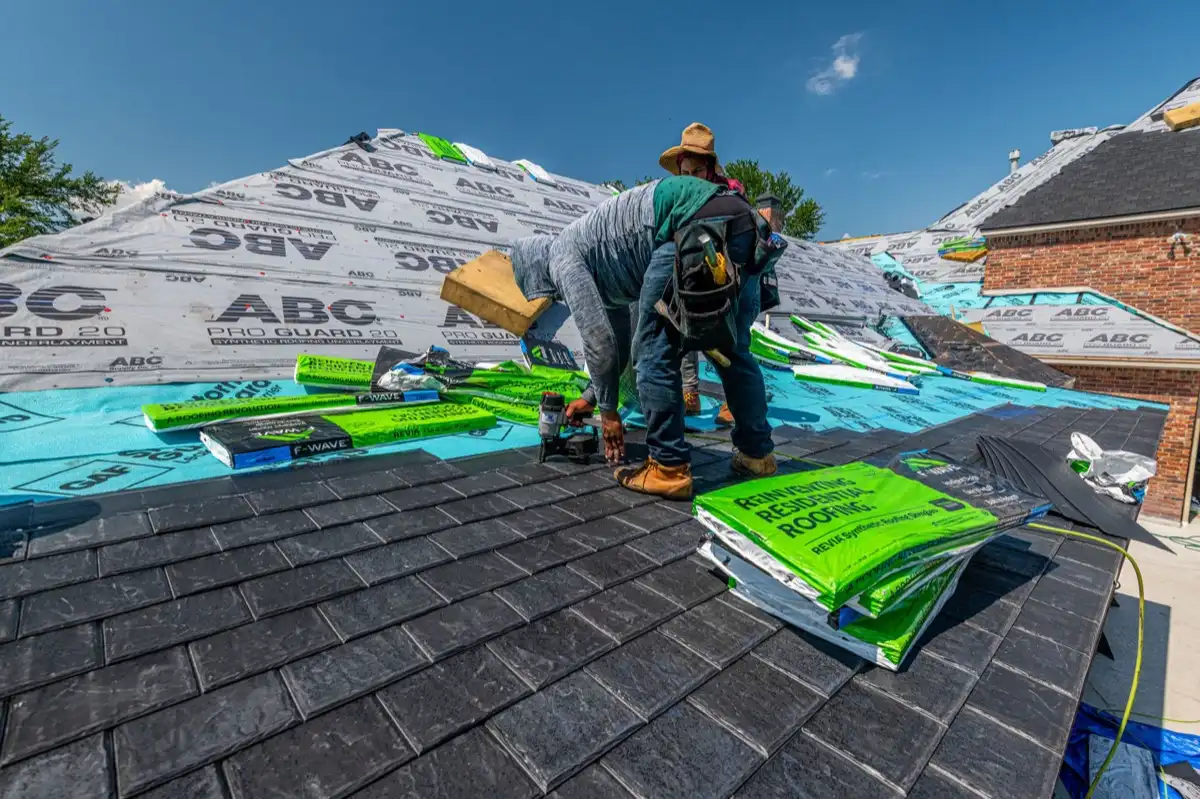
Replacing a Baltimore rowhouse roof means replacing the middle panel of a much longer surface. Your deck stops at two masonry walls you only half own, and the new system has to be terminated against both of them.
Rowhouse Leak Tracing & Repair
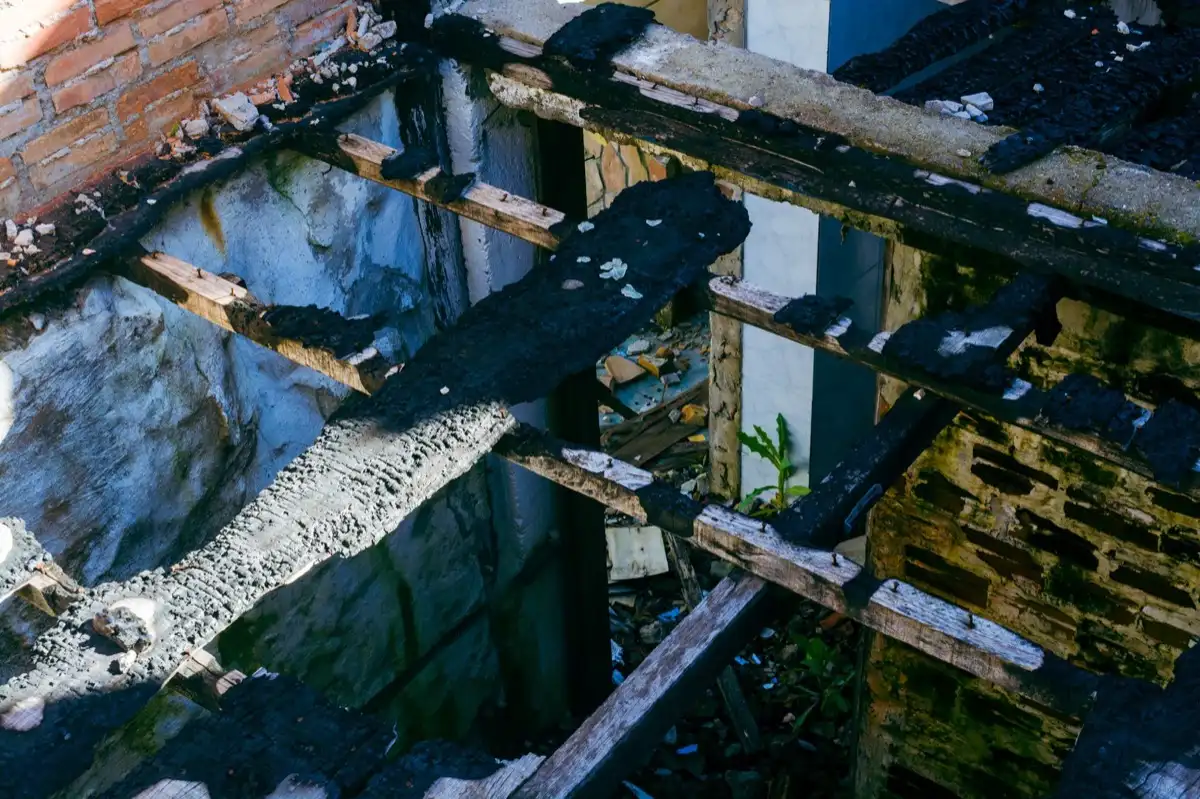
On a rowhouse the leak is hardly ever in the middle of the roof. It is at a wall.
Storm Damage Restoration
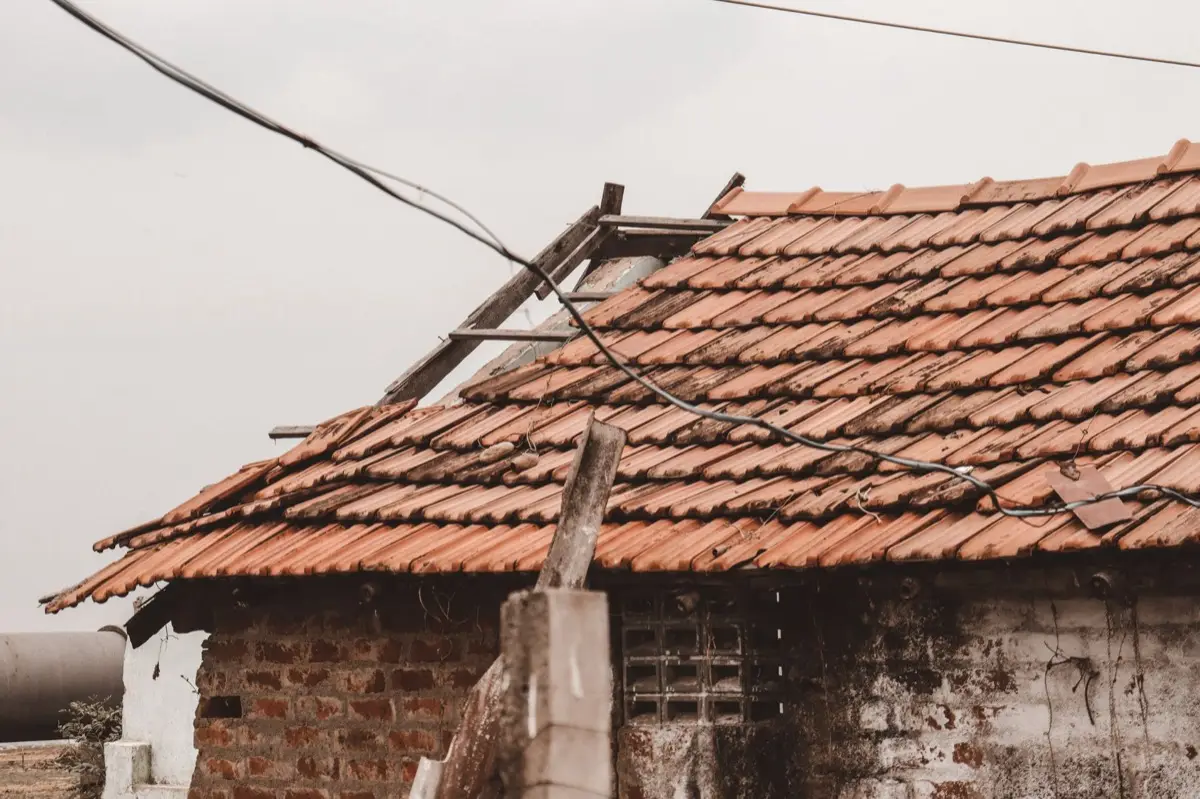
Where your house sits in the row decides what a storm does to it. A middle house is shielded on both flanks and usually loses nothing.
Hail Assessment on Low-Slope Roofs
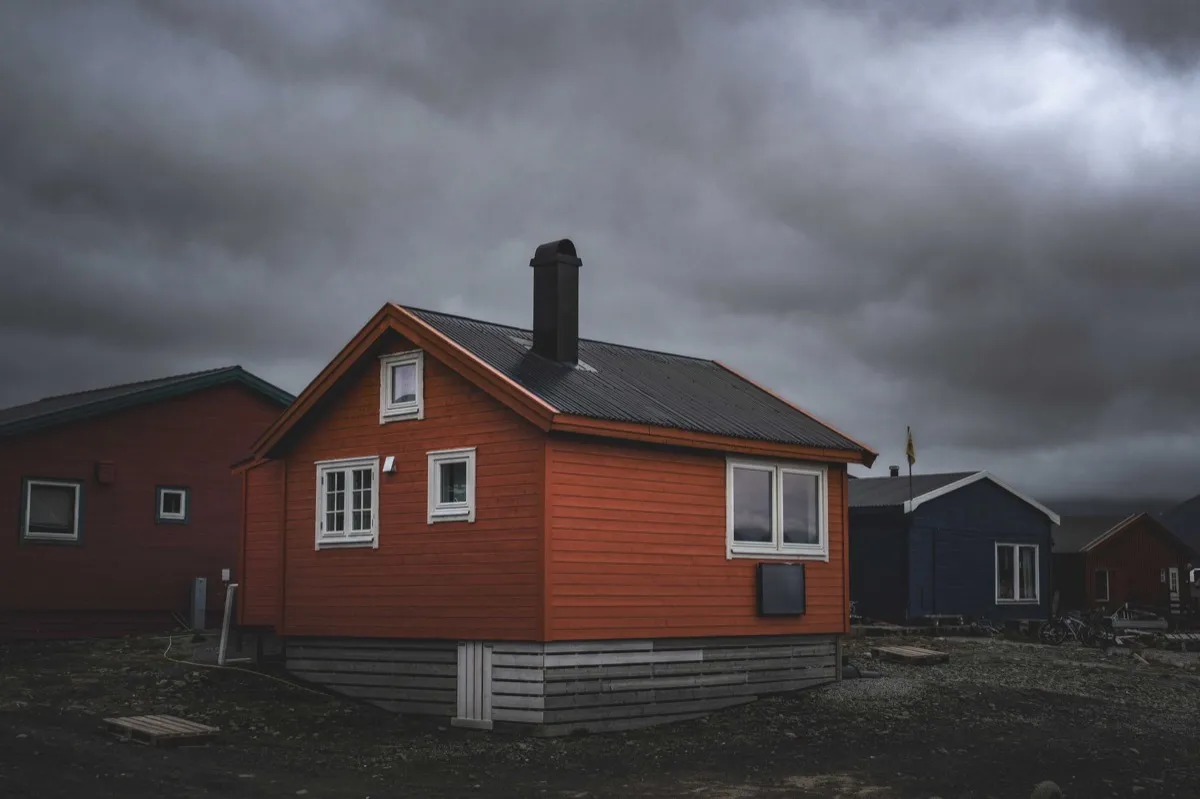
This is the page where we usually talk you out of something. Granulated modified bitumen, which covers most Baltimore rowhouse roofs, does not record hail the way an asphalt shingle does, and the industry's whole hail vocabulary was built around shingles.
Wind & Uplift Damage Repair
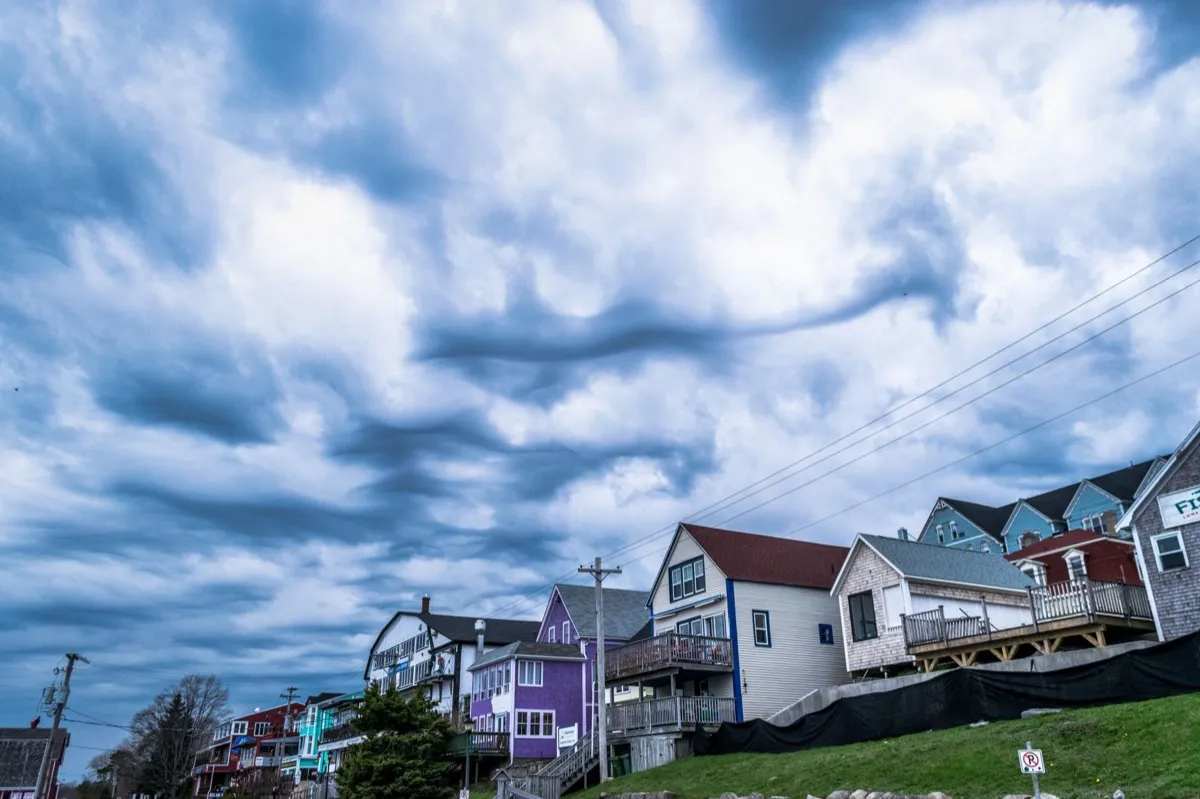
Ask us to price enhanced wind protection on a mid-block rowhouse and we will probably tell you not to buy it. Ask on an end unit, a corner property, or a house whose neighbor has been demolished, and the answer changes completely.
Roof & Party-Wall Inspections
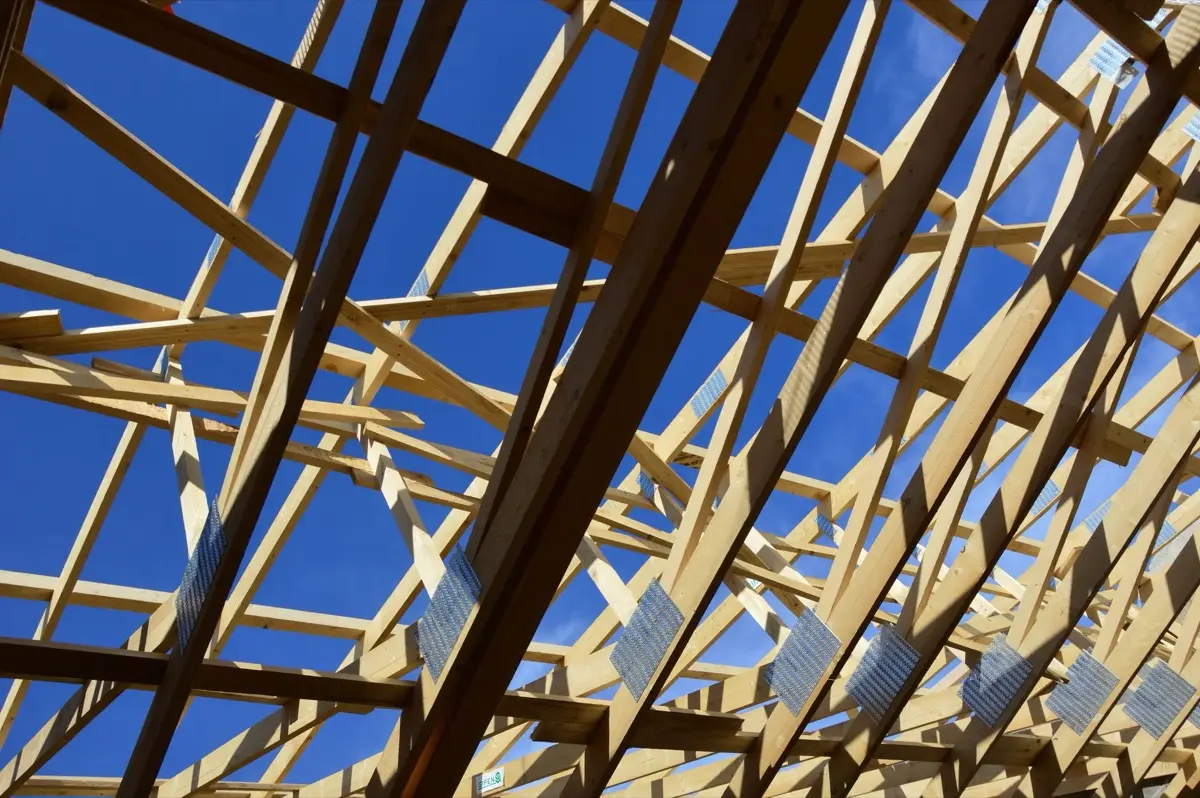
We inspect the block, not just the house. On an attached row your roof ends at somebody else's building on both sides, so a report that never looks over either wall has left out both edges of the thing it was asked to assess.
Asphalt Shingle Roofs
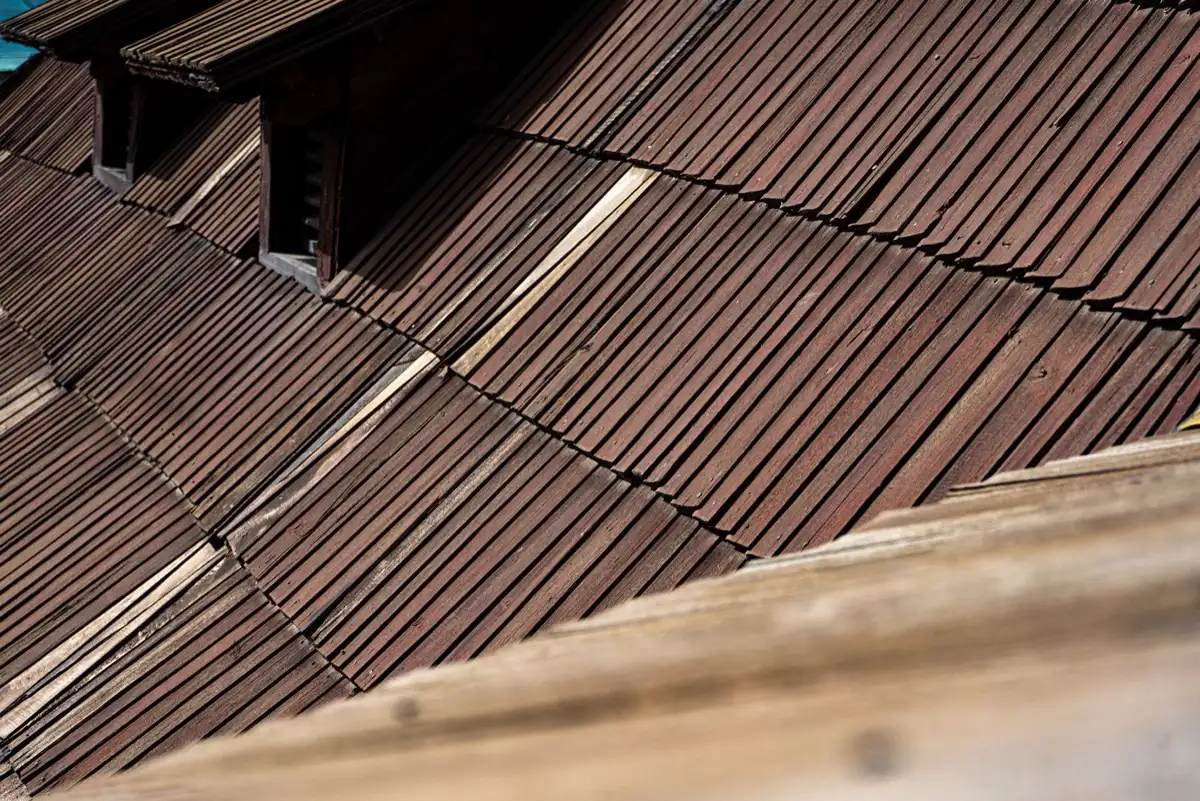
If a contractor offers to shingle the main roof of a Baltimore rowhouse, treat that as a warning about the contractor. Shingles are a water-shedding covering that needs slope.
Metal Roofing & Sheet Metal
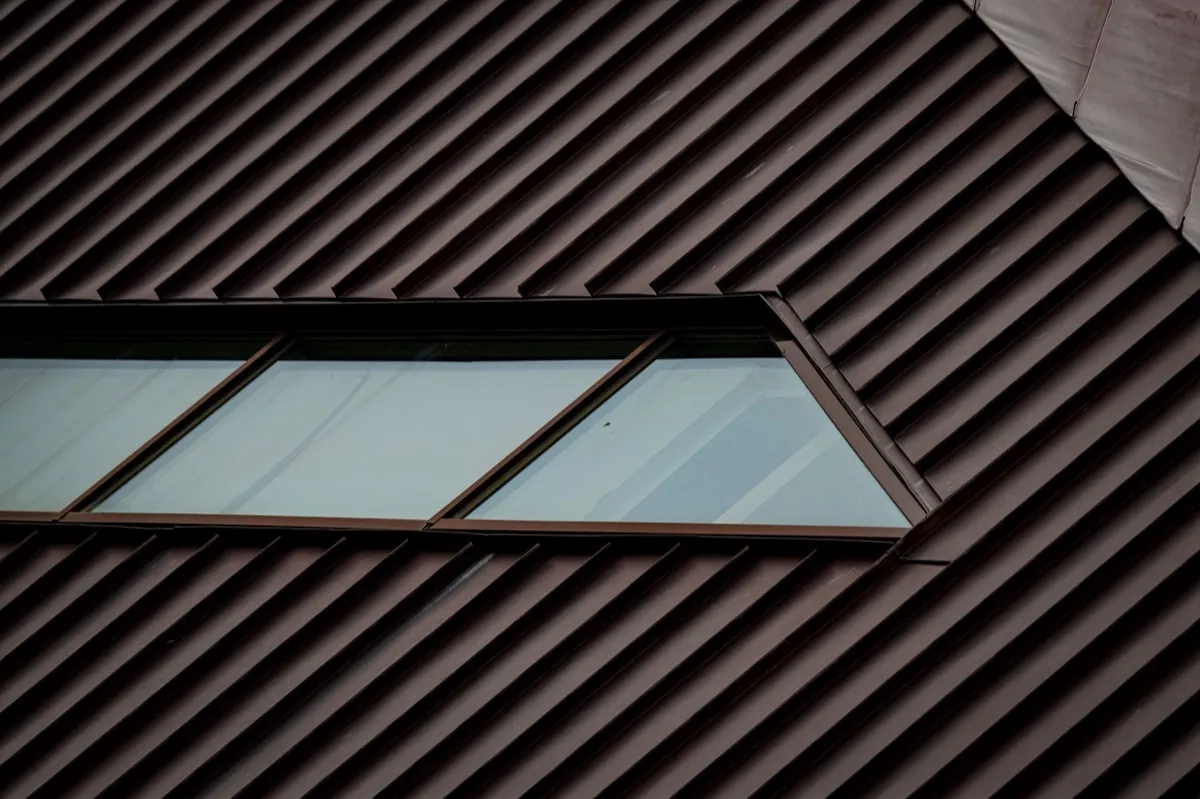
Standing seam is a fine roof and it is usually the wrong one for a Baltimore rowhouse. We say that up front because it gets quoted here far more often than it gets installed well, and the reasons it fails are practical rather than technical.
Tile & Slate Roofing
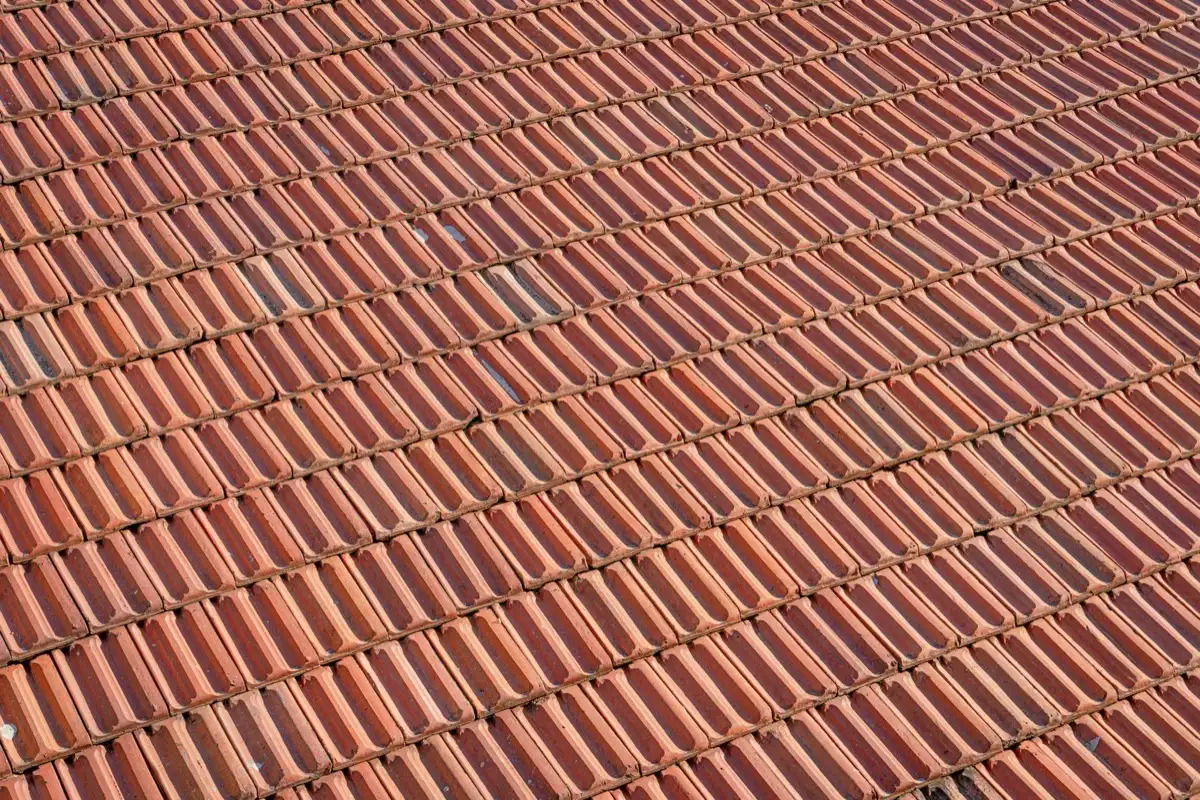
If somebody has quoted tile on a standard Baltimore rowhouse, the answer is no, and we would rather be the ones to tell you. Behind a parapet there is no visible roof plane, so there is nothing to look at, and the deck was never framed for the load.

Flat & Low-Slope Roofing
This is the roof most of Baltimore actually has, and the argument about it is held in the wrong place. Homeowners get sold a debate about membrane brands.
Roof Coatings & Sealing
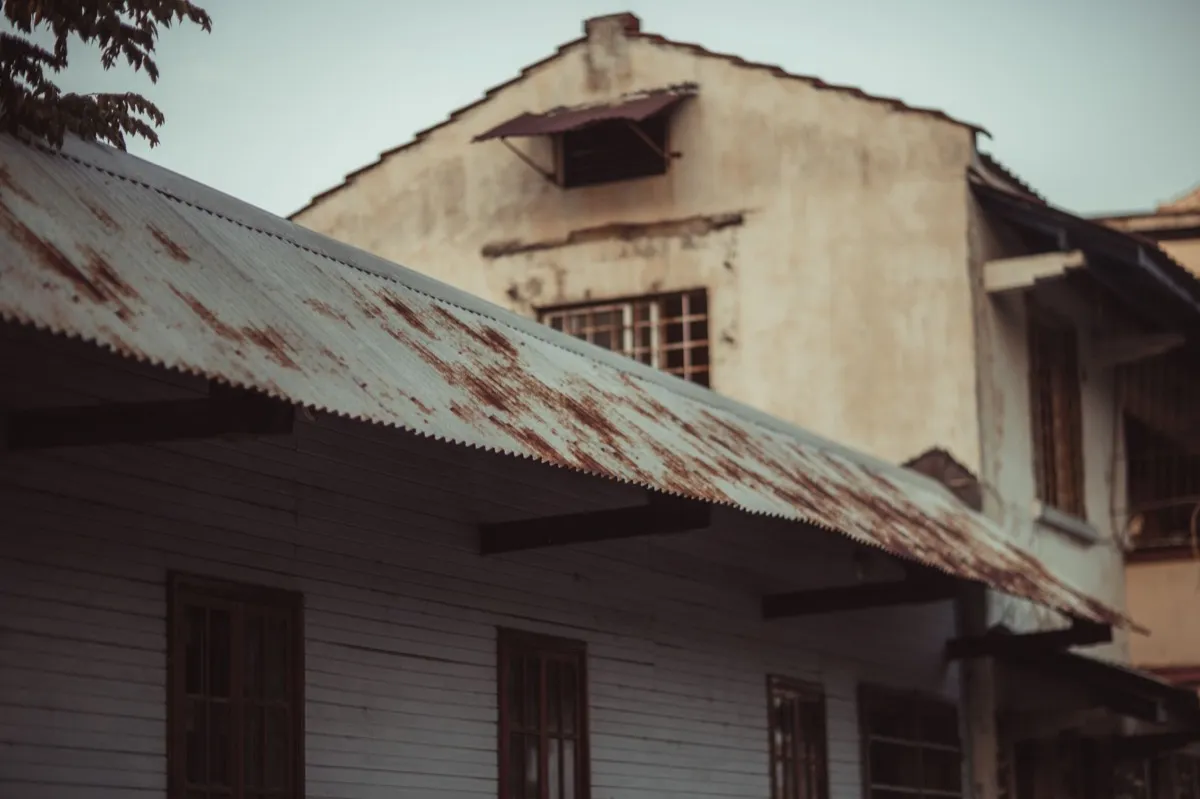
Silvering the roof is a Baltimore tradition and the most oversold product in this city. A coating is a maintenance layer for a roof that already works.
Cockloft Ventilation & Insulation
The standard ventilation advice does not apply to your house. Balanced ridge-and-soffit systems need a ridge and a soffit, and a Baltimore rowhouse has neither.
Skylights & Roof Hatches
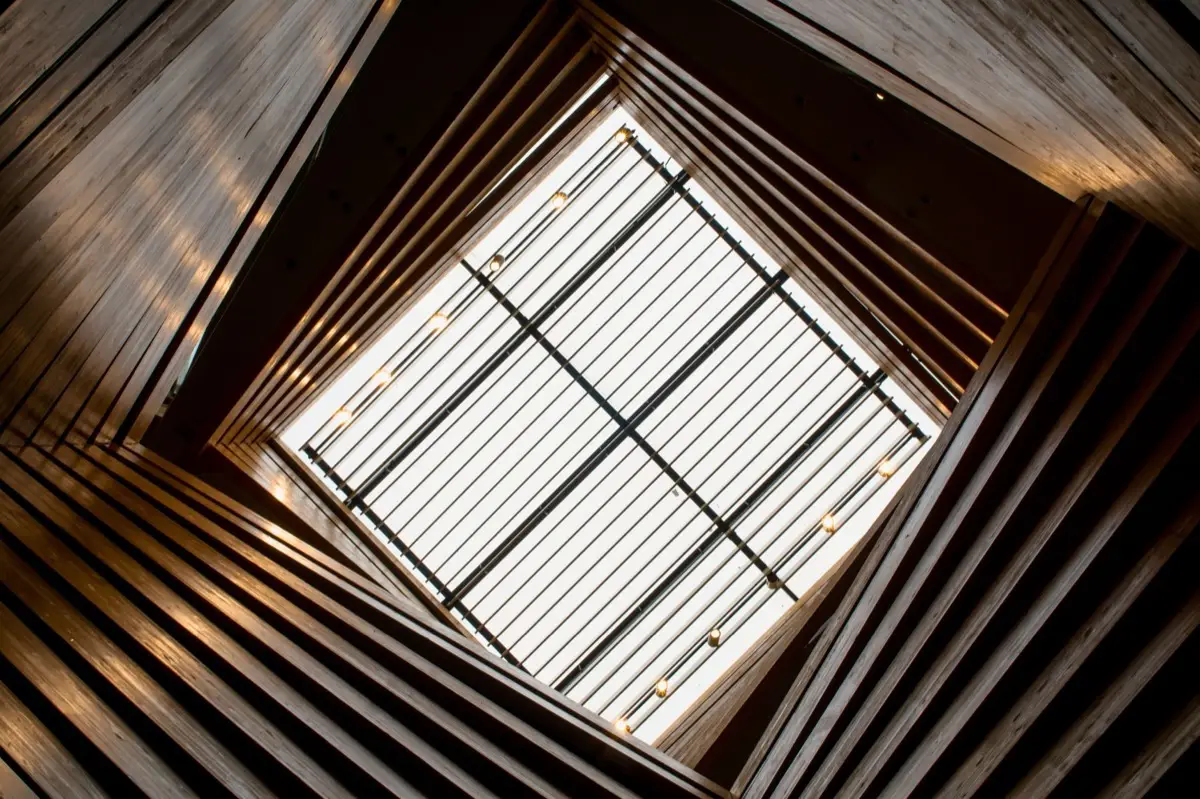
This is the one page where we tell you to spend more rather than less. A rowhouse is a long narrow box with windows at two ends and party walls down both sides, so the middle gets no daylight.
Cornice & Parapet Coping Repair
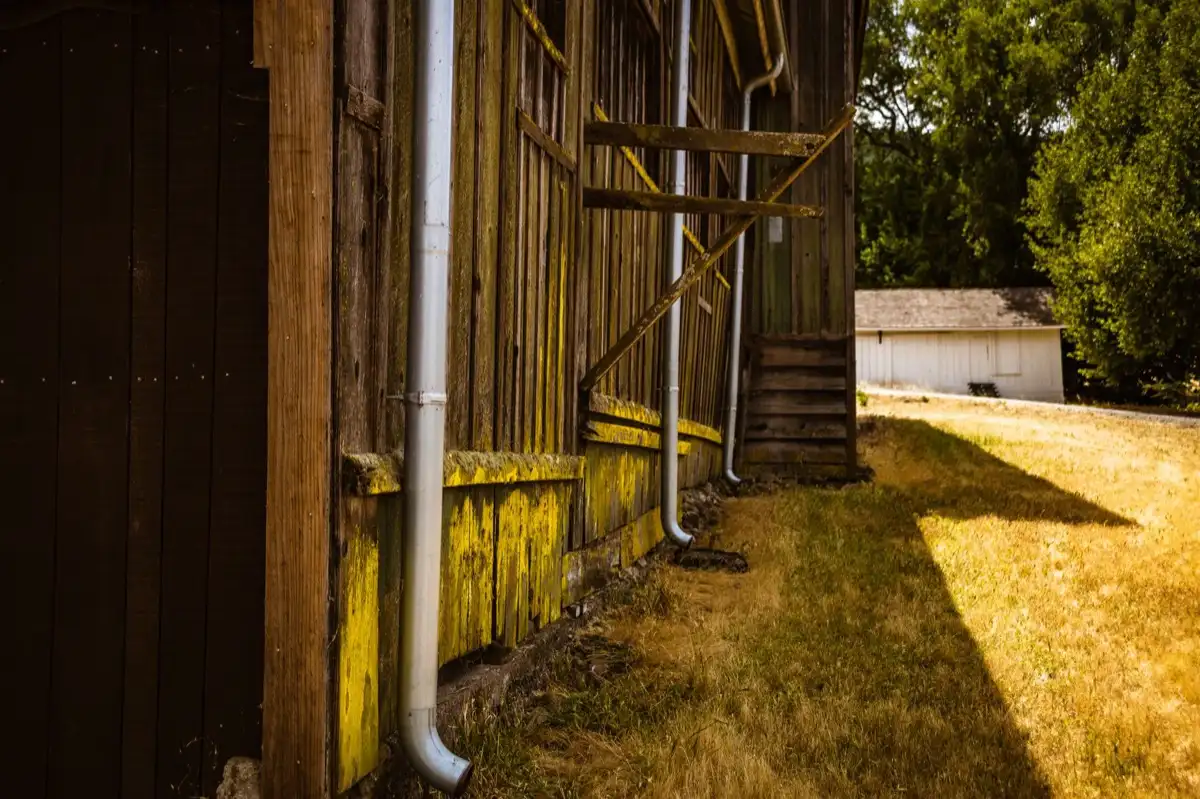
Your rowhouse has no fascia and no soffit. At the front it has a cornice, and along the top of every wall a parapet with a coping cap.

Chimney & Party-Wall Flashing
Flashing on a rowhouse is not step flashing. There is no slope for it to step down and no eave for it to end at.
Commercial & Mixed-Use Roofing
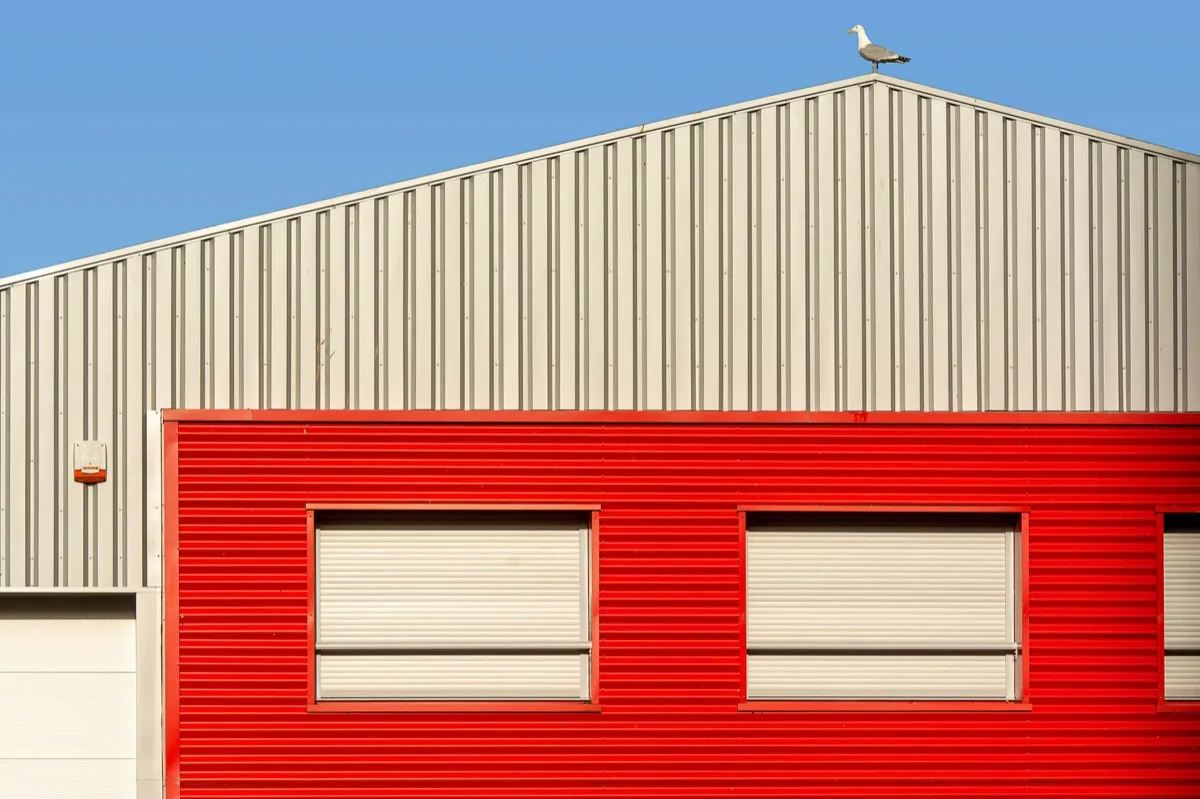
Most commercial roofs in Baltimore are rowhouses. The storefronts along Eastern Avenue, Belair Road, Greenmount, Harford Road and half the neighborhood main streets in this city are attached buildings with party walls, front parapets and rear drainage, exactly like the houses either side of them.
Insurance Claim Documentation
The most common water loss in a Baltimore rowhouse is not a roof claim, because it did not start on your roof. It started next door.
Baltimore Premium Roofing is a licensed, insured roofing contractor in Baltimore, Maryland, handling flat and low-slope roof replacement, leak repair, storm damage and commercial roofing across the city and Central Maryland. We work in self-adhered modified bitumen, cold-applied two-ply systems, adhered TPO and EPDM, tapered polyisocyanurate insulation, and fabricated sheet-metal coping, scuppers and counterflashing.
Almost every roof in this city ends at a party wall. A Baltimore rowhouse deck falls gently to the rear, is boxed by a front parapet, and is carried on joists pocketed into two masonry walls shared with the houses either side. So the terminations, the coping and the single rear outlet decide whether the roof lasts, far more than the brand of membrane laid across the middle of it.
We quote that way. Every proposal separates the two wall details, the parapet coping and the rear drainage from the field, states where your house sits in the row, and names the product, the fastening and the thickness. We do not torch on occupied attached blocks, and when the honest answer is a repair, a coating, or another trade entirely, that is what we will tell you.
What Baltimore Customers Say
Two other companies quoted me a whole new roof off a photograph. These guys pulled up the flashing at both walls, showed me the coping joint that was doing it, and fixed that instead. It has been dry through two winters.
They told me my roof had six or seven years left and that a coating would be wasted on it, which cost them the job that day. I called them back when it was actually time. That is why.
The house attached to mine came down and I assumed the wall was my problem. They showed me the section of the city code that says otherwise and photographed my flashing before the demolition. Saved me thousands.
Clear proposal, separate lines for the flashing and the coping, no pressure and no scare stories. The crew showed up when they said and cleaned up properly afterwards.
Why Baltimore Chooses Baltimore Premium Roofing
- ✓We scope the two party walls before the field, because on a Baltimore rowhouse the roof ends at somebody else's building on both sides.
- ✓No open flame on an occupied attached block. Self-adhered and cold-applied systems only, and that commitment is written into the proposal.
- ✓Every proposal states your position in the row, because a middle house, an end unit and a house beside a vacant lot are three different roofs.
- ✓Coping, cornice and the rear outlet are priced as separate lines from the membrane, since that is where rowhouse roofs actually fail.
- ✓We photograph the terminations on both neighboring roofs and give you those pictures whether or not you hire us.
- ✓When the water is coming from next door or from a buried rear drain, we say so instead of selling you a roof that cannot fix it.
About Baltimore Premium Roofing in Baltimore, MD
Baltimore Premium Roofing works Baltimore City and the surrounding Maryland counties, from the rows of Canton, Hampden, Pigtown and Highlandtown out through Dundalk, Catonsville, Towson, Glen Burnie and Ellicott City. Low-slope replacement, leak tracing, storm and wind damage, coping and cornice repair, skylights, commercial and mixed-use roofs.
The reason this site argues the way it does is that a Baltimore roof is not a standalone object. It is carried on two walls you share, it drains through one outlet at the back, and its most expensive failures happen where it meets a neighbor's building. Almost everything written on the general roofing internet assumes eaves, ridges, soffits and slope. Your house has none of those, so the standard advice quietly stops applying.
Do not hire us for a coating on a roof that is leaking at the wall, for tile on a rowhouse, for standing seam on a flat deck, or for a hail claim on a membrane where we cannot show you a mechanism.
We will say no to all four, and we would rather lose the job than take money for work that cannot do what you are hiring it to do. If the right answer is a mason, a slater or a drain contractor, we will tell you that too.
How It Works
- 1
We Look at the Whole Row
We photograph your roof and the two roofs it touches, because a neighbor's failed base flashing six inches from your brick is your next leak. If either adjoining property carries a Vacant Building Notice, you will hear it from us at the first visit rather than after the work is paid for.
- 2
We Open the Edges, Not Just the Field
A test square comes up so the deck condition is measured rather than guessed, and both party-wall terminations, the coping and the rear scupper get lifted and inspected. Inside, we look at the joist ends bearing in the wall pockets, which is the part of the structure nobody ever sees.
- 3
A Proposal That Separates Wall From Field
You get the layer count, the deck condition, the drainage path, the two wall details, the coping, the product name and the fastening pattern, each priced on its own line. Your position in the row is stated, because it decides the perimeter specification and therefore a good part of the price.
- 4
Installation Without an Open Flame
On an attached occupied block we install self-adhered or cold-applied systems and fully adhered single ply, never torch-applied. We pull the Baltimore City permit on our own MHIC license, and you get photographs of the terminations before the coping goes back over them.
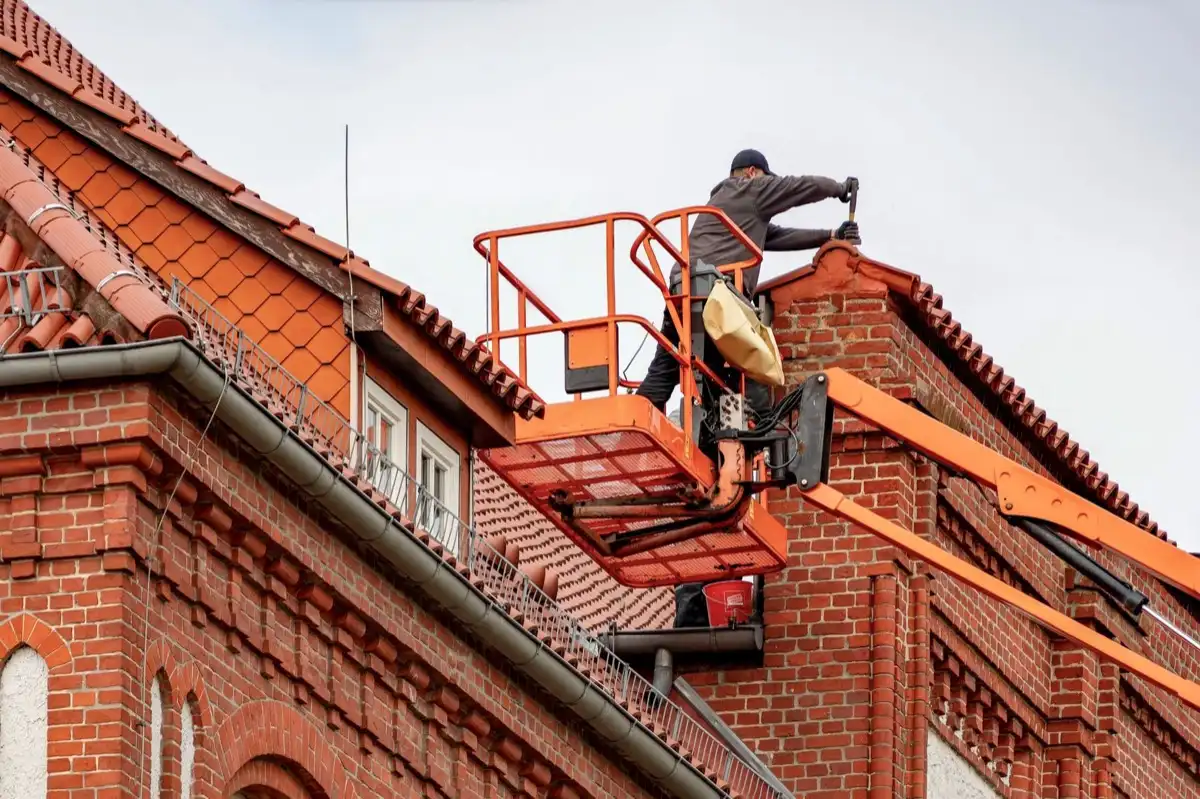
Commercial and Mixed-Use Roofing Across Baltimore
Most commercial roofs in this city are attached buildings: storefronts and mixed-use blocks along Eastern Avenue, Belair Road, Greenmount and Harford Road, with party walls, front parapets and rear drainage exactly like the houses beside them.
Your coping and your neighbor's are frequently one continuous run across a shared wall, so scoping only what sits inside your property line leaves out half the detail.
We also handle the conventional stock, the warehouses and light industrial buildings through Canton, Locust Point and the Holabird corridor, apartment buildings, church roofs, and the offices and flex space out along the beltway. No open flame on attached or occupied buildings.
- ✓Sixty and eighty mil TPO and EPDM, fully adhered and mechanically attached
- ✓Self-adhered and cold-applied two-ply modified bitumen, never torch-applied
- ✓Tapered polyisocyanurate designed to the drains rather than laid flat
- ✓Shared coping runs scoped across the whole party wall, not to the lot line
- ✓Sheet-metal edge, coping, scuppers and collector heads fabricated to the building
- ✓Storefront and mixed-use work sequenced around trading hours and residential tenants
- ✓Twice-yearly drain clearing and photographed condition reports under maintenance agreements
- ✓Roof surveys and remaining-service-life reports for owners, buyers and managing agents
Service Areas
Baltimore Premium Roofing serves Baltimore, MD and surrounding communities including:
Recent Projects Across Central Maryland
Frequently Asked Questions
Why does my Baltimore rowhouse roof drain to the back?
Because there is no eave at the front to hang a gutter from. The deck was built with a gentle fall from the front parapet to the rear wall, and everything that lands on it leaves through one scupper or one internal leader into a single downspout. That single outlet is the whole drainage system, with no overflow edge anywhere, which is why a blocked rear leader turns into a party-wall leak so quickly.
The house next to mine is being demolished. Who pays to fix my wall?
Under section 3307.3 of the Building, Fire and Related Codes of Baltimore City, party walls must be repaired and finished by the owner of the demolished or moved structure. That duty expressly includes restoring or replacing flashing on the adjoining property that has been broken or damaged, and finishing the exposed wall with an approved waterproof material. Plenty of homeowners pay for that themselves because nobody told them. You should not have to.
Do I need a permit to replace a flat roof in Baltimore City?
Roof work in the city is permitted through the Department of Housing and Community Development, under the Building, Fire and Related Codes of Baltimore City, 2024 edition, and a full replacement is permitted work. We pull it on our own Maryland Home Improvement Commission license. If a contractor suggests skipping the permit to save you a few days, that tells you what the rest of the job will be like.
Can you put shingles on a Baltimore rowhouse?
Not on the main roof. Shingles shed water and need slope, and a rowhouse deck has a fraction of an inch of fall per foot. Shingles belong on mansard fronts, on the pitched fronts of porch-front and daylight rows out through Dundalk and Essex, and on the detached and semi-detached stock in the county. Anyone offering to shingle your flat deck is telling you something useful about themselves.
Is the silver coating everybody puts on their roof worth it?
Sometimes, and only on a roof that already works. A coating is maintenance for a sound, dry, well-drained membrane, and on one of those it is genuinely good value. It is not a repair. Coating over a leaking party-wall flashing, or over wet insulation, buys nothing at all and hides the evidence you were about to need. We will tell you which roof you have before you spend anything.
Water is coming through the wall from the vacant house next door. What can you do?
Often, honestly, very little on your roof. If the adjoining property is open to the weather it will keep charging the shared brick no matter what we install on your side. Baltimore City had 13,796 Vacant Building Notices on file in October 2024 and publishes the register daily, so we can check the address with you. The real options are treating your own face of the wall, contacting the owner, or a complaint to the city.